
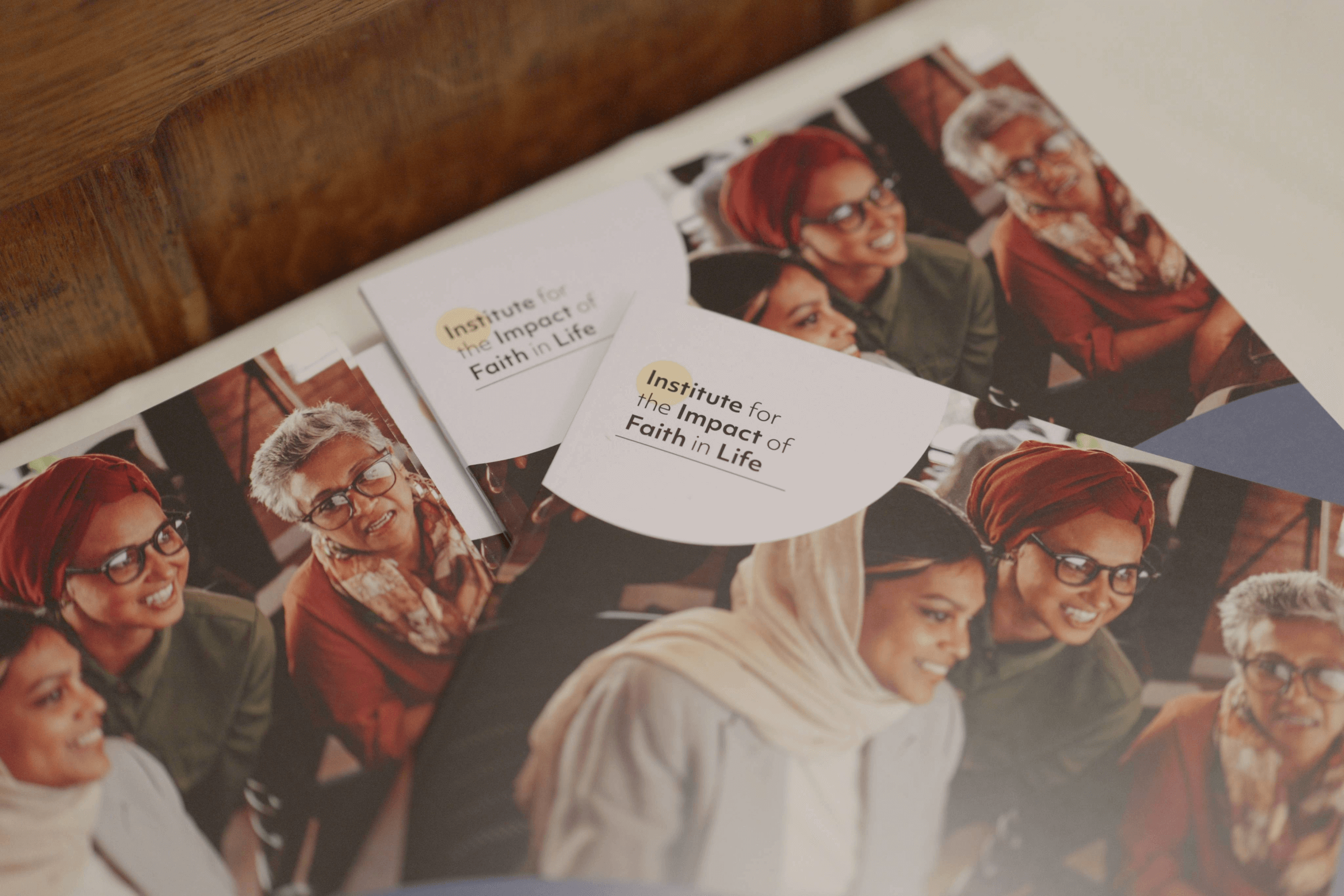
‘Belonging, Belief & Britishness: Exploring the British Muslim Experience on Their Own Terms’ is the Institute for the Impact of Faith in Life (IIFL’s) latest report that presents a nuanced and data-driven portrait of British Muslim experiences, political engagement, and sense of belonging in the UK. Based on interviews and a comprehensive survey of 815 British Muslims, conducted by Whitestone Insight, a member of the British Polling Council.
Key Findings:
- The UK is seen as more accommodating than other European nations. 78% believe Britain is more inclusive of their faith than France, Germany, or the Netherlands.
- Political engagement is high. British Muslims are 10% more likely to vote than the general population and three times more likely to participate in political demonstrations.
- Top voting priorities extend beyond foreign policy. Healthcare (95%) and the economy (93%) rank as the most important issues, with Gaza/Israel in fourth place (87%).
- Concerns over media representation persist. 58% of British Muslims feel Islam is misrepresented in mainstream media, and an equal percentage believe the media lacks an understanding of their faith.
- Charitable giving reflects national belonging. British Muslims favour Muslim-led charities but prioritize national causes, demonstrating commitment to British society.
- Identity is shaped by experiences of exclusion. Over 50% of Mixed, Asian, and Black Muslims identify primarily as Muslim, compared to 39% of White Muslims, with this preference reflecting societal experiences rather than religious doctrine.
- British Muslims feel at home in the UK. The majority of interviewees prefer living in Britain over a Muslim-majority country, citing cultural and religious diversity, legal protections, and greater personal freedoms.
- Mental health struggles are significant but stigmatised. 45% of British Muslims have faced mental health challenges in the past year—nearly double the general population—while 71% say it is difficult to admit to these struggles within their communities.
- Faith plays a crucial role in mental health support. 42% would prefer a counsellor who shares their faith, with younger Muslims 25% more likely to hold this preference, reflecting the growing influence of faith among the youth.
IIFL Research Associate and the report’s author Rania Mohiuddin-Agir remarked:
“Truly understanding British Muslims, their experiences, practices, and place in civil society, can only happen through acknowledging their agency and resilience. This report moves beyond categorical divisions that are restricted to race, age, sect, and gender, and explores the very diverse perspectives presented by Britain’s incredibly diverse body of Muslims. As individuals that are highly politically engaged, very keen on contributing to civil society and interpersonal relationships, and have a strong sense of belonging to the United Kingdom, these are the aspects of their daily life that they wish to highlight. While challenges exist, there is an urgent need to engage with their lived realities in a way that reflects their agency, aspirations, and stepping away from stereotypes.”
IIFL’s Director of Research, Charlotte Littlewood commented:
“British Muslims are a diverse community, differing across sects, ethnicities, age groups and gender – but most importantly, in perspective. Truly inclusive and informed policymaking requires grassroots engagement with British Muslim communities in their full complexity. This report takes a step toward a more nuanced and inclusive understanding, moving beyond reductive narratives. Whilst the report highlights a multitude of varying perspectives one consistent finding stands out – an overwhelming appreciation for democracy, the rule of law, and freedom of belief in the UK, alongside a strong commitment to civil society, whether through politics, supporting the NHS, charitable giving, or raising engaged British citizens.”
Methodology note: Whitestone interviewed 815 UK Muslims aged 18+ online between 20th November and 1st December 2024. Data was weighted to be representative of all UK Muslim adults from the 2021 Census data. Whitestone is a member of the British Polling Council and abides by its rules.